Walking is one of the most fundamental forms of human movement, which goes beyond its obvious practical, everyday function: it can be interpreted as a cultural-historical phenomenon, a tool for cognition and thought, an artistic act, and a philosophical methodology. In the visual arts, it can be applied to practices that foreground walking as a central process, event, experience or outcome. Its cultural-historical origins date back to antiquity; subsequently, throughout the 20th-century history of art, it gradually became emancipated, evolving into an independent artistic discourse and a subject of exhibition. Beginning with the Dadaist excursion of 1921 – the first such action in which the act of walking constituted the artistic content – it intersects with the aimless wanderings of the Surrealists and the Lettrist dérives (urban drifts), before connecting with Fluxus (the elevation of everyday experiences to the status of art), and on to the dematerialisation efforts within the expanded interpretative field of sculpture.
From Land Art to performance art and relational aesthetics, walking-based practices and exhibitions revolving around walking have become increasingly widespread in contemporary art over recent decades, largely due to the rise of performativity and the growing prominence of socio-ecological art. In art, the act of walking has taken on political and social dimensions, whilst remaining strongly linked to urbanism and activism.
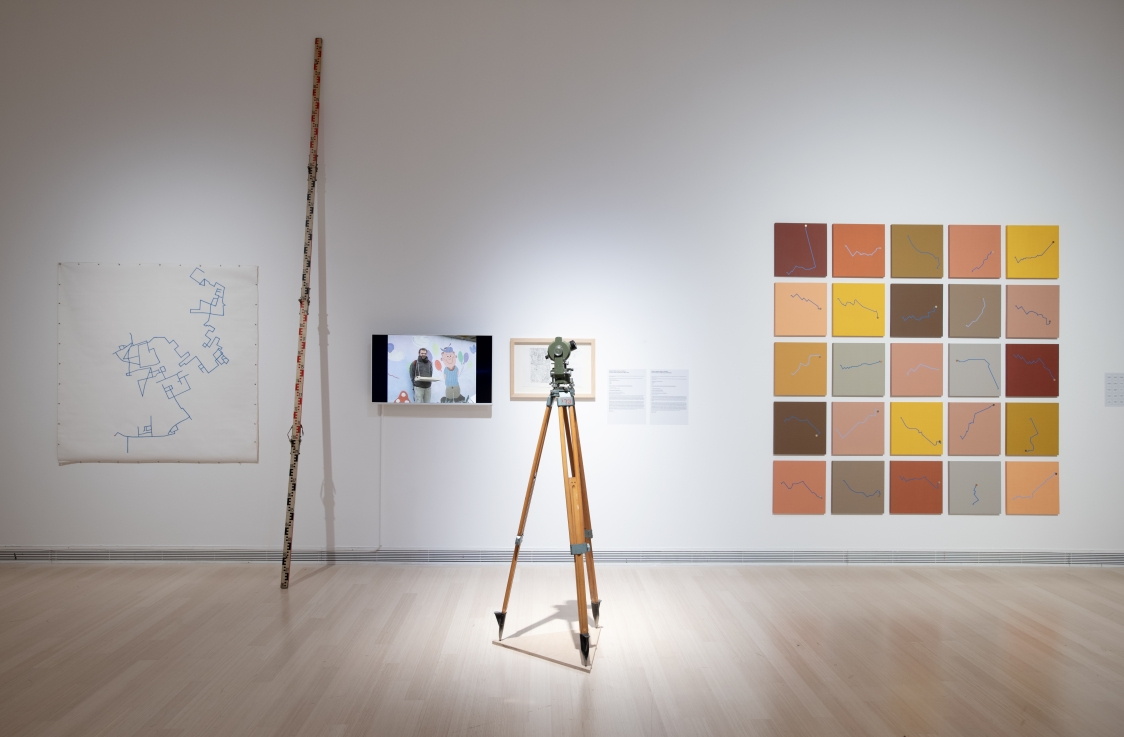
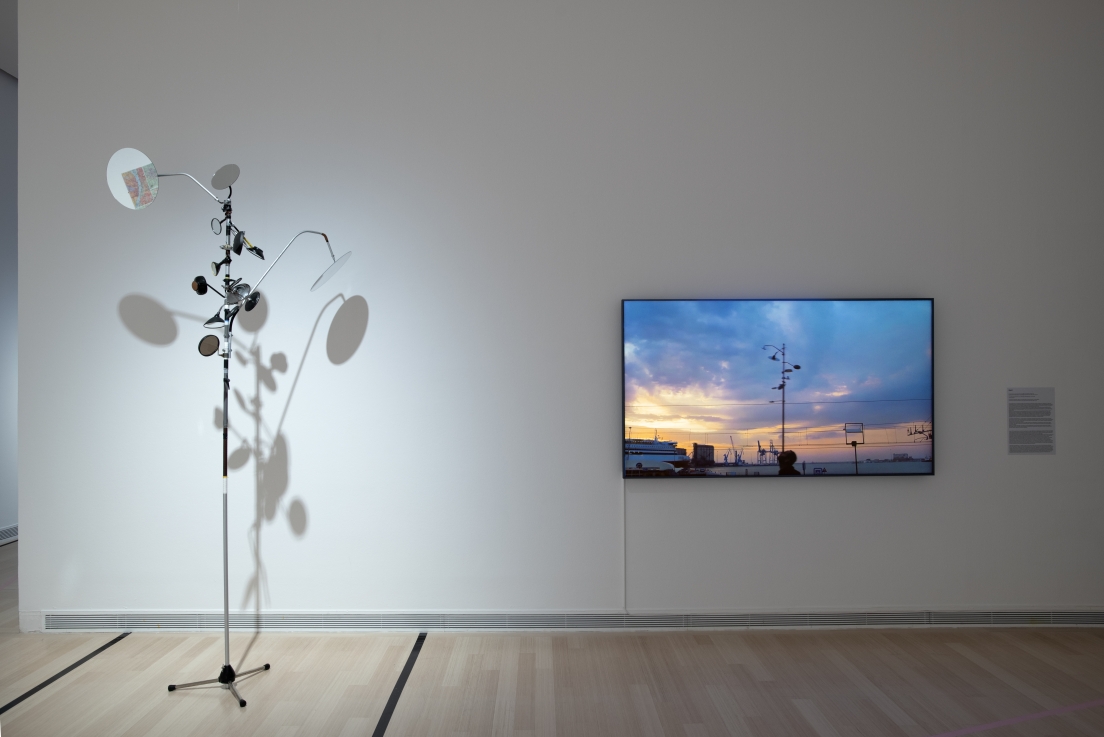
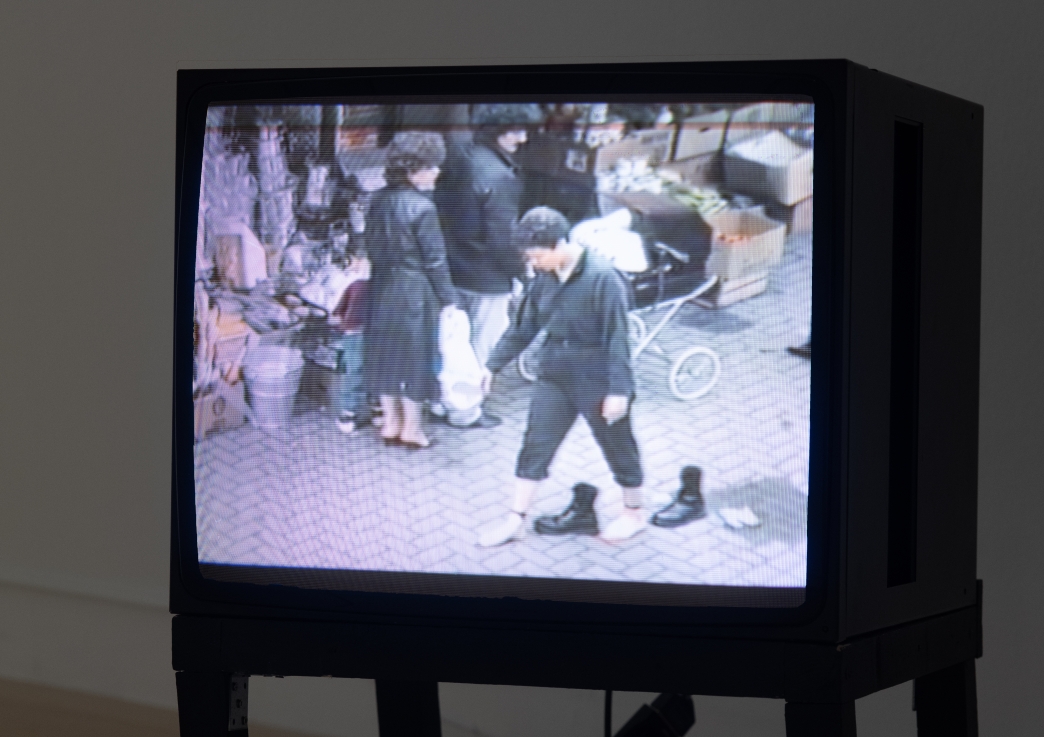
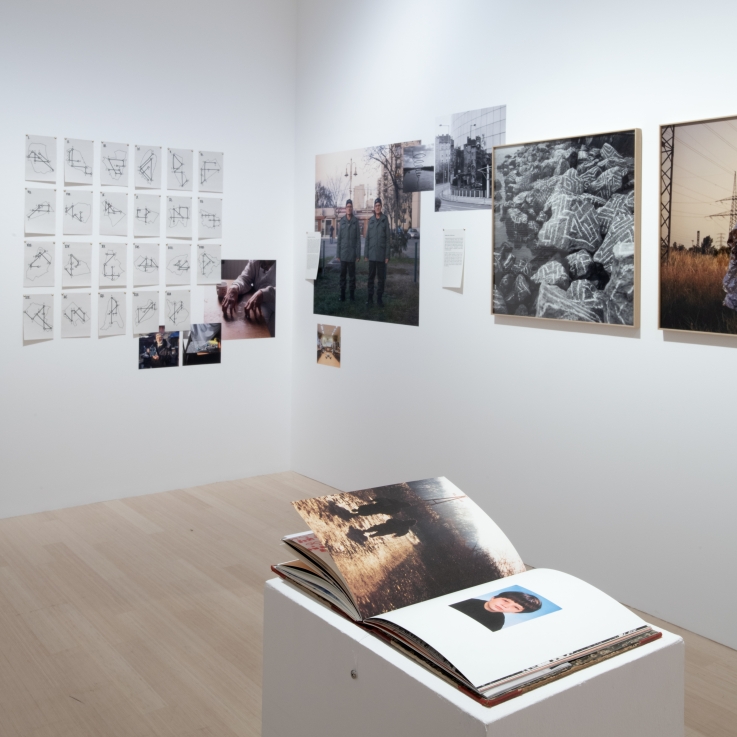
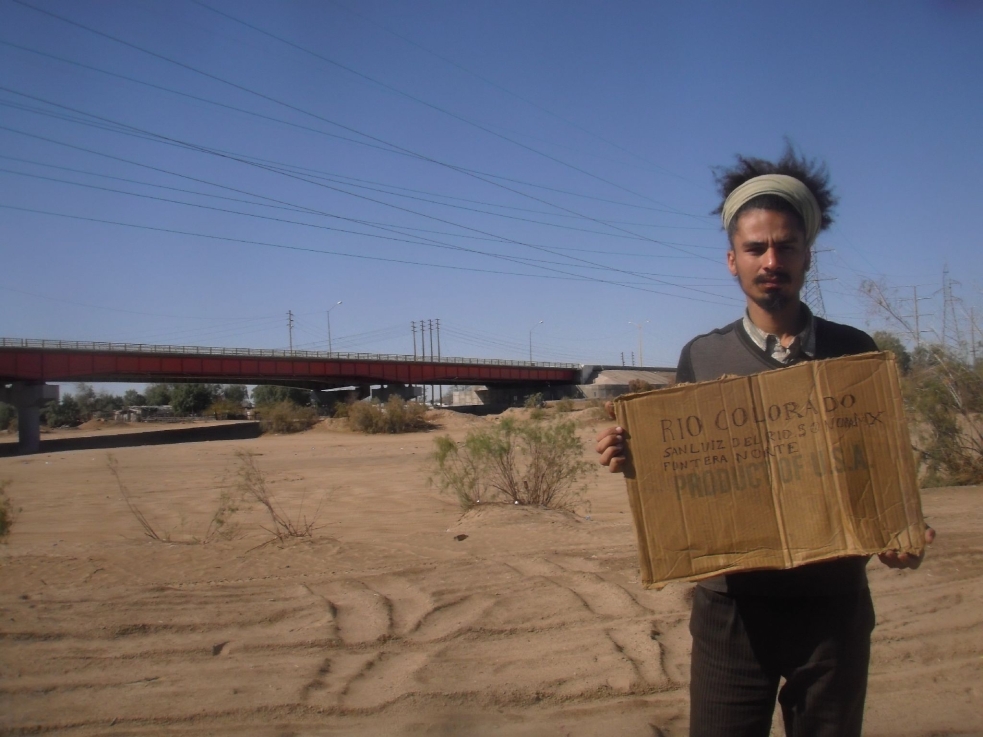
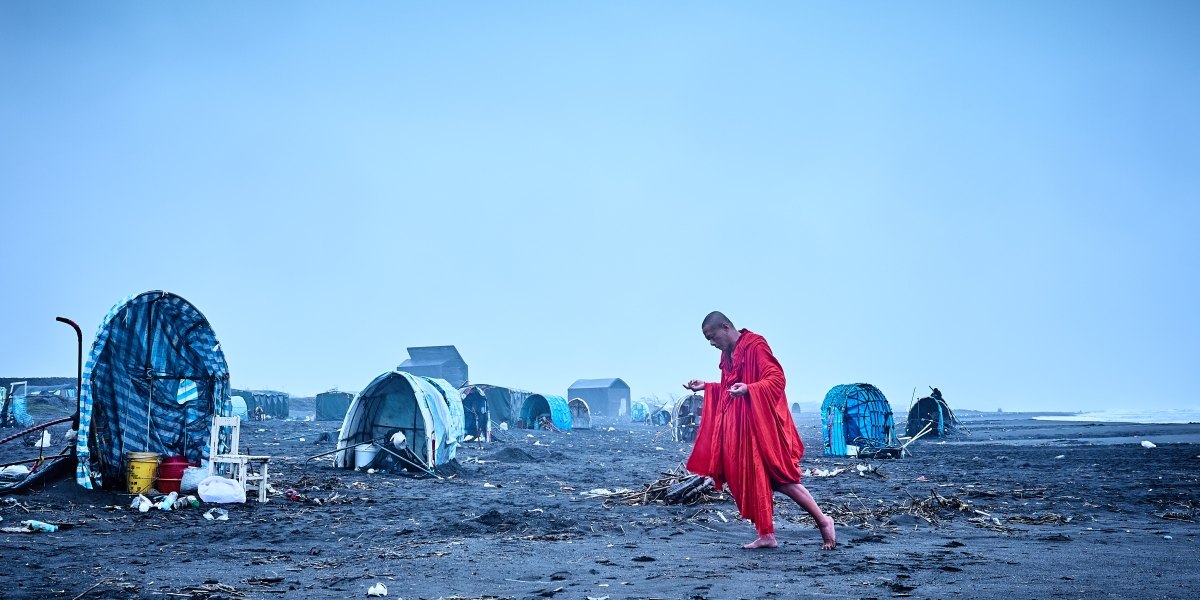
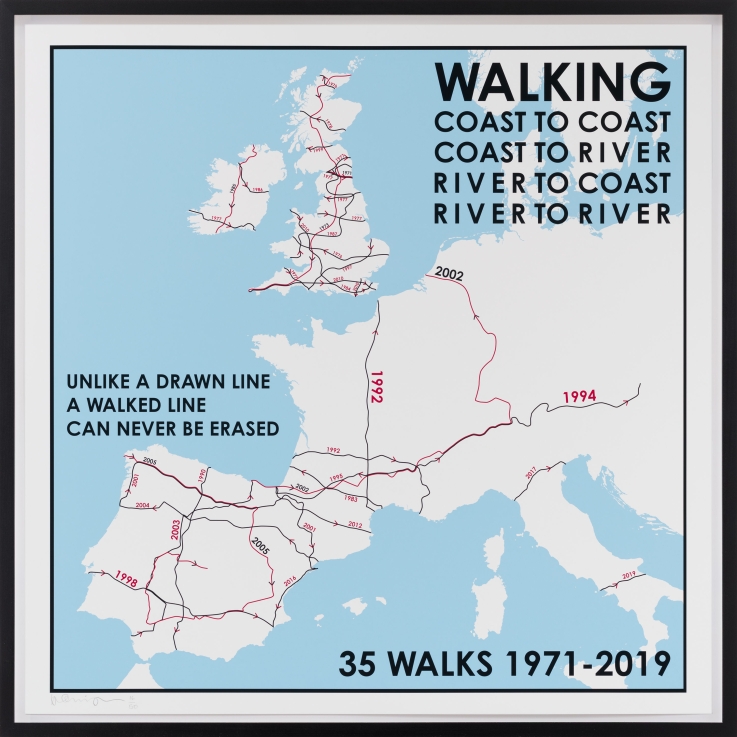
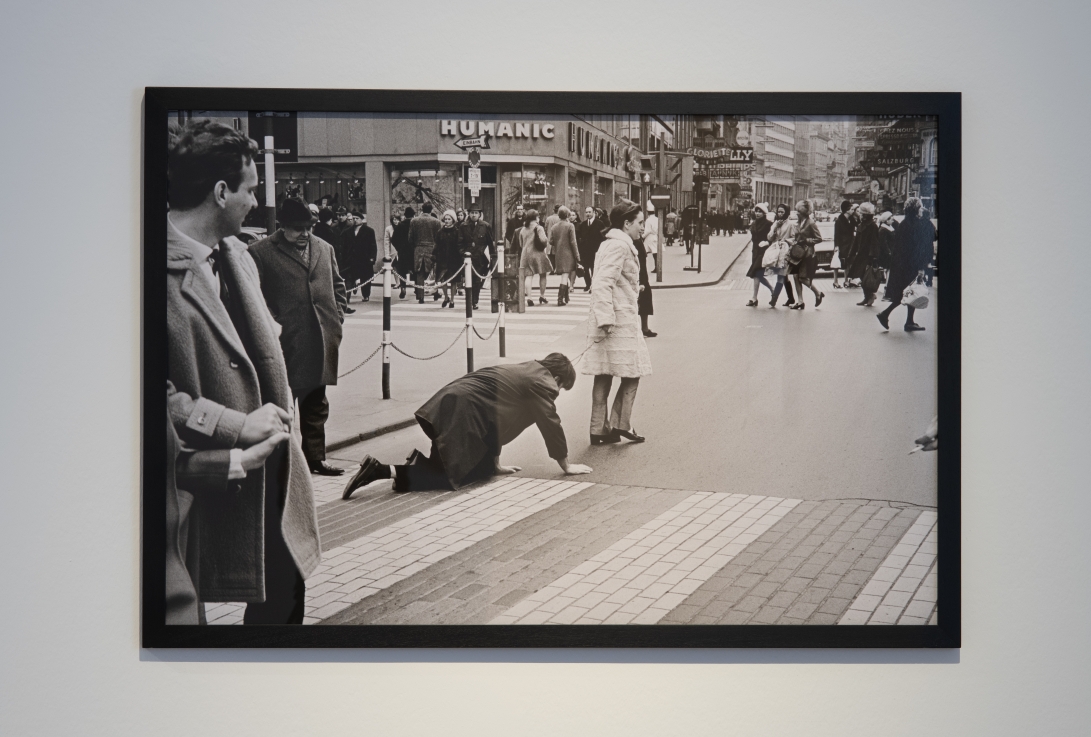
By showcasing works by international and Hungarian artists, the exhibition takes a comprehensive look at the walk as an aesthetic strategy from the 1960s to the present day, whether it be the expansion of the boundaries of art through the act of walking in Bruce Nauman’s works, or the questioning of social structures and gender inequalities in Valie Export’s walking performance. The exhibition features works by influential artists such as Hamish Fulton, who created works based exclusively on walking in the 1970s, Francis Alÿs, who has consistently employed walking as a tool for social critique in his unique artistic practice since the 1990s; and Paulo Nazareth, who documents the social consequences of systemic racism, colonialism and global migration crises on his walking journeys spanning continents.
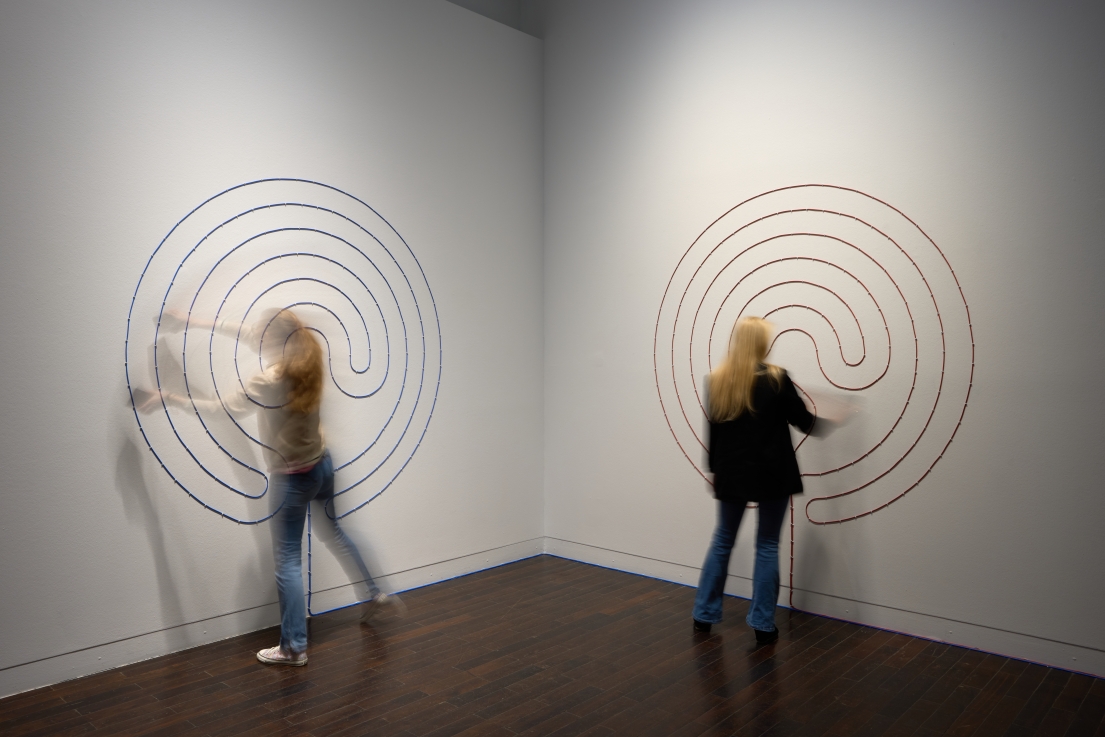
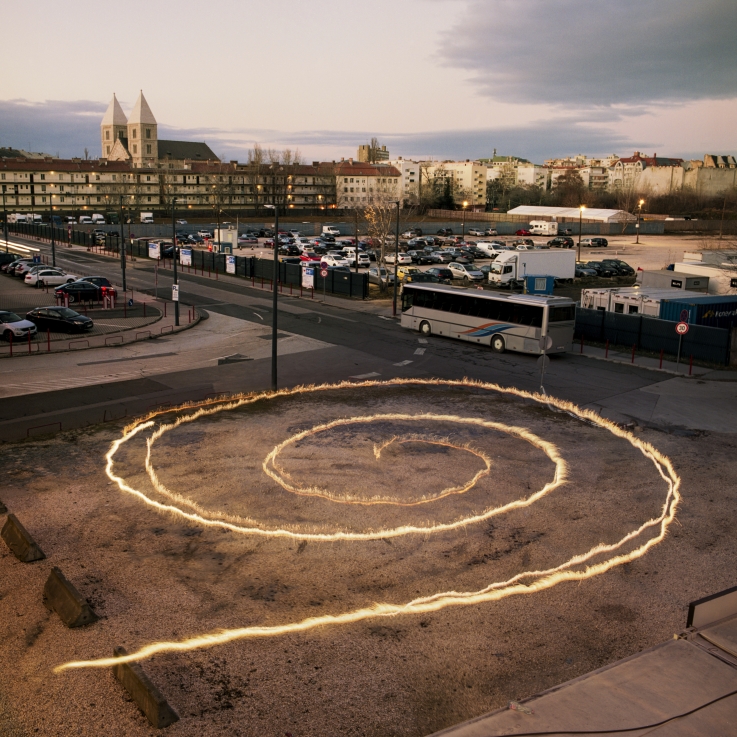
The international group exhibition Walk This Way explores walking as an art form, a narrative device and a critical practice, through the presentation of works, projects and actions that instrumentalise the everyday act of walking as a means of discovery, mapping, resistance and political action. Among other things, the exhibition seeks to explore how walking can shape physical and mental spaces, and examines how this simple act can offer opportunities to slow down, to rediscover communal and natural spaces, and to confront social, ecological and urban challenges.
Exhibiting Artists: Francis ALŸS, BARTHA Máté, Han BING, CSORBA Eszter, Valie EXPORT, Hamish FULTON, FUSZ Mátyás, GALÁNTAI György, HAJAS Tibor, Mona HATOUM, HIWA K, Michael HÖPFNER, Joachim KOESTER, KORONCZI Endre, Christina KUBISCH, Marinka LIMAT, LOVAS Ilona, Miroslav MANDIĆ, MAURER Dóra, Omar MISMAR, Bruce NAUMAN, Paulo NAZARETH, Yoko ONO, Tiziana PERS, PÓLYA Zsombor, Mladen STILINOVIĆ, SZOLNOKI József, TSAI Ming-liang, Lois WEINBERGER, WOLSKY András
Curators: József Készman , Zsófia Máté
Artists: Francis ALŸS, BARTHA Máté, Han BING, CSORBA Eszter, Valie EXPORT, Hamish FULTON, FUSZ Mátyás, GALÁNTAI György, HAJAS Tibor, Mona HATOUM, HIWA K, Michael HÖPFNER, Joachim KOESTER, KORONCZI Endre, Christina KUBISCH, Marinka LIMAT, LOVAS Ilona, Miroslav MANDIĆ, MAURER Dóra, Omar MISMAR, Bruce NAUMAN, Paulo NAZARETH, Yoko ONO, Tiziana PERS, PÓLYA Zsombor, Mladen STILINOVIĆ, SZOLNOKI József, TSAI Ming-liang, Lois WEINBERGER, WOLSKY András
The exhibition is organised as part of the Liszt Fest in collaboration between Müpa and the Ludwig Museum – Museum of Contemporary Art.
Related content
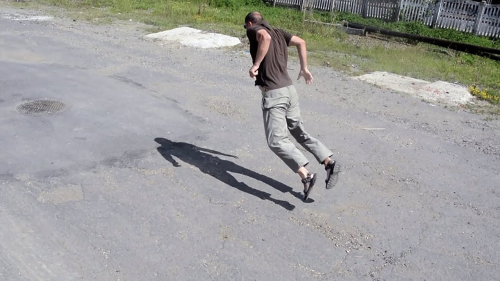
Walk This Way. The Art of Walking 9. October, 2026 – 31. January, 2027
The international group exhibition Walk This Way examines walking as an artistic form, a narrative device, and a critical practice. Through works, projects, and actions, it explores how the everyday act of walking can become a means of discovery, mapping, resistance, and political action.
