#Bartók 8. October, 2016 – 5. February, 2017
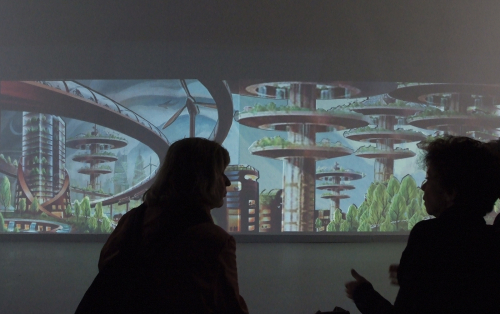
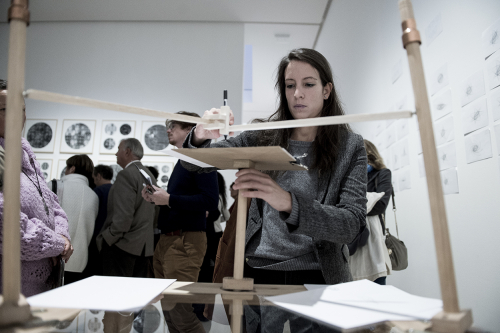
Timed for the current Bartók Memorial Year, this international exhibition looks at the composer’s legacy through the means of contemporary art.
Timed for the current Bartók Memorial Year, this international exhibition looks at the composer’s legacy through the means of contemporary art.
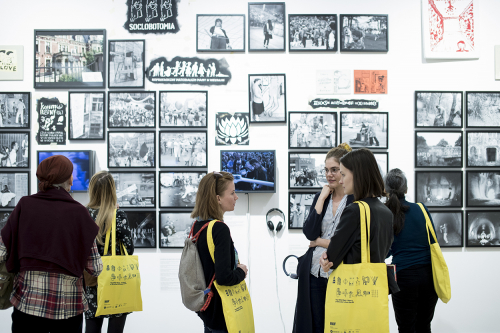
An exhibition organised by Wrocław Contemporary Museum (Muzeum Współczesne Wrocław) held as a part of the European Capital of Culture Wrocław 2016 program.
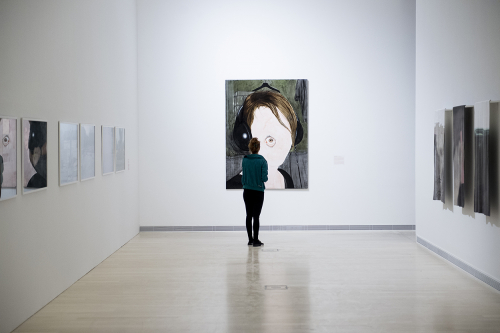
Poles are still struggling with identity issues, 27 years after the fall of the Iron Curtain. Only after 1989 were they able to discuss and examine Poland publicly, without censorship, for the first time in 50 years. Today, they continue to ponder the true nature of Poland and the Poles.
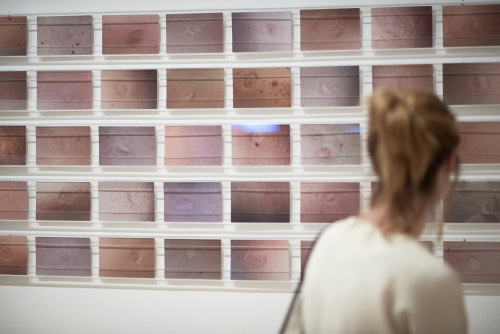
One of the priorities at Ludwig Museum Budapest is to keep track of the contemporary art scenes and new tendencies of the Central and Eastern European region and the post-socialist countries.
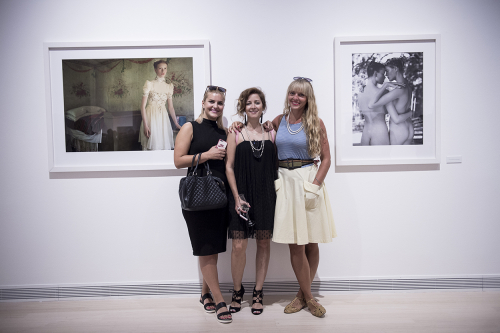
”We are always searching for the higher level of intimacy in our images.”
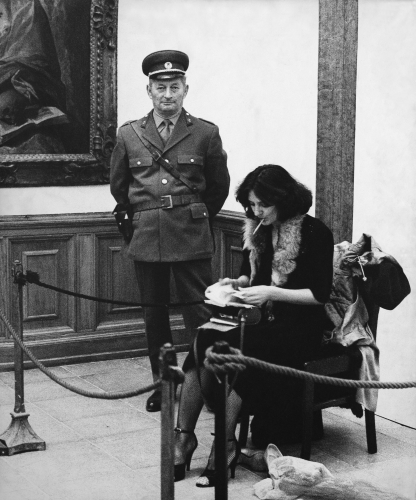
A Ludwig Musem collection showcase exhibition at the National Gallery of Arts, Tirana, Albania (Galeria Kombëtare e Arteve)
The present version of Julius Popp’s Bit.Fall is a logical next step of the project, which started in 2001 as an installation of eight nozzles. Water is used as a medium between information regarding current affairs and the viewer.
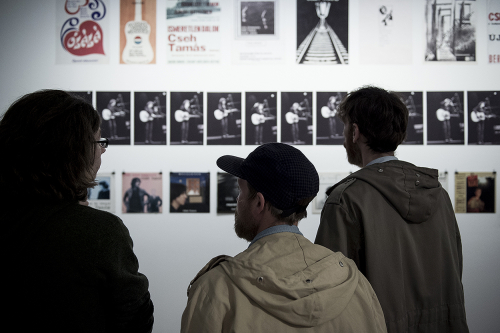
This exhibition explores the mutual influence of Hungarian popular music and visual art: iconic artworks, typical positions, important and influential scenes.
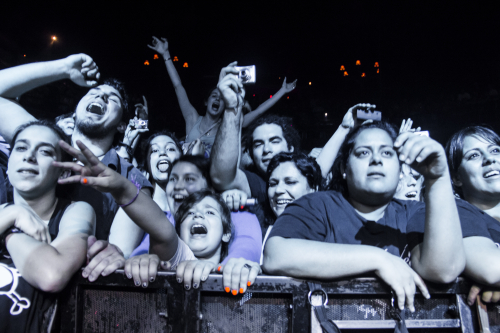
Youth culture is known to manifest itself in a variety of ways.
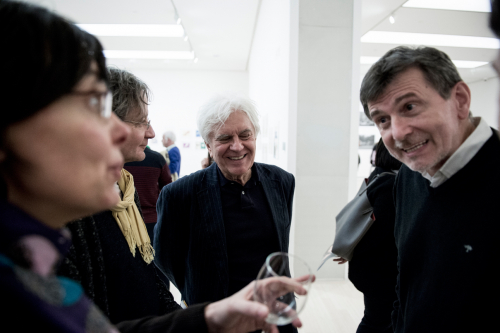
Founded in 1971, the Makó Artists’ Colony is a special site in the history of Hungarian graphic art. Its main profile comprised photo-based silk screen and offset printing.
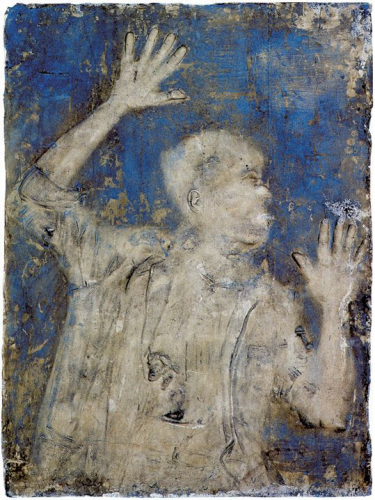
Had he not passed away unduly young, Zoltán Érmezei would be sixty years old now. His lifework is less known for the wider public, although he was an outstanding member of the alternative artist generation in the 1980’s.
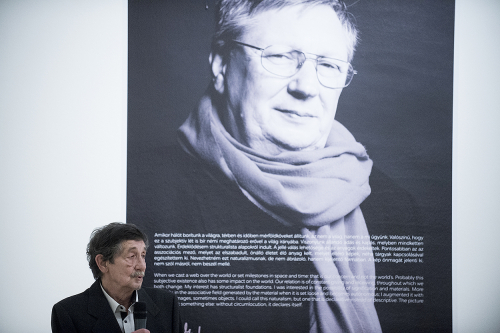
“When we cast a web over the world or set milestones in space and time: that is our concern and not the world’s. Probably this subjective existence also has some impact on the world. Our relation is of constant giving and receiving, throughout which we both change.
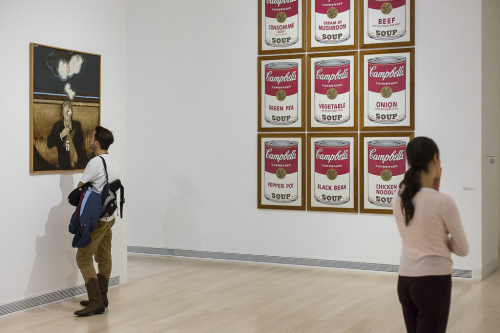
The art collection brought together by Peter and Irene Ludwig is the foundation of all Ludwig Museums. Perhaps the most well-known and famous part of this collection is the body of artworks that represents the period of Pop Art.
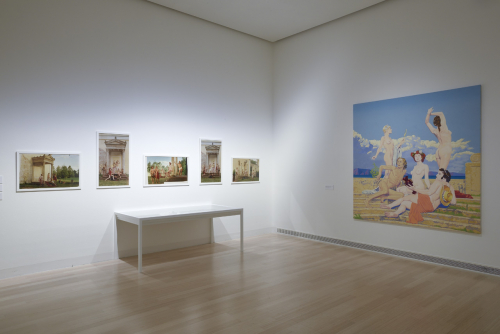
Neoacademism in Saint Petersburg took flight in the beginning of the 1990’s under the intellectual guidance of Timur Novikov, the non-conformist Russian philosopher, artist and theoretician.
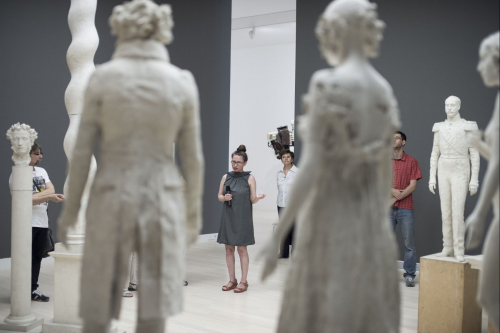
One of the most important endeavours of Peter and Irene Ludwig, founders of Ludwig Museum Budapest, was to undertake the role of mediators between the former East and West through their cultural activity.
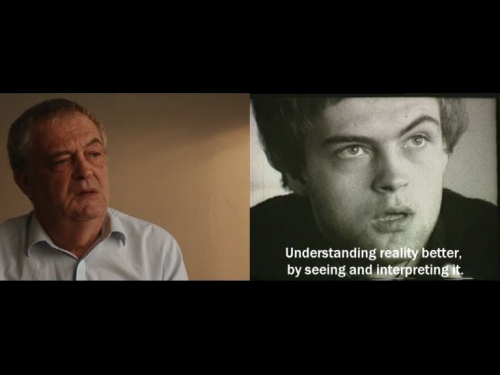
A Selection of Works from the Video Collection of the Ludwig Museum – Museum of Contemporary Art Budapest
Venue: Collegium Hungaricum, Belgrade, Serbia
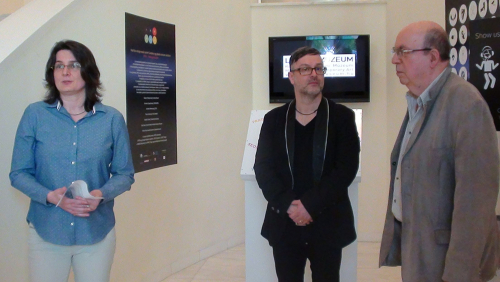
Create planetary visual language! Join a global art event!
The public installations of iconuu are meant to motivate visitors to communicate with people around the globe, using a visual form of expression and crossing the limits of language.
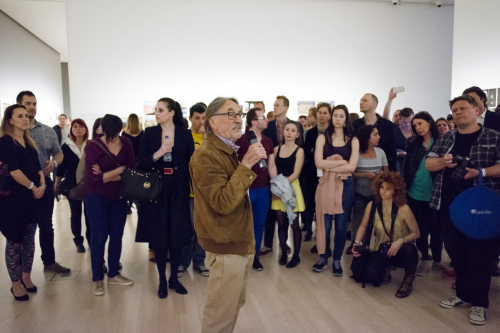
In the spring of 2015 the Ludwig Museum – Museum of Contemporary Art organises a comprehensive as well as gap filling exhibition of Vilmos Zsigmond’s photographic life-work.
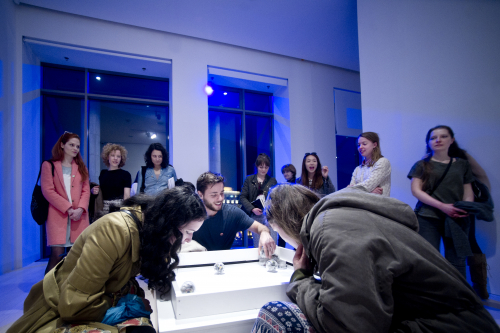
The name //////////fur//// covers two media artists and art critics, gadget artists and game designers, Volker Morawe and Tilmann Reiff.
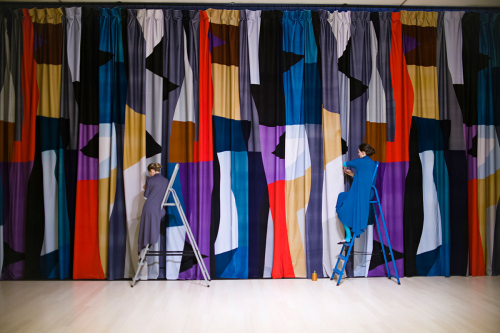
Acting as a synthesis of the artist’s past conceptual and formal investigations, the Slovenian artist Jasmina Cibic’s new video installation and project Spielraum: The Nation Loves It, presents the first chapter of the project Spielraum, which will be followed by two subsequent chap
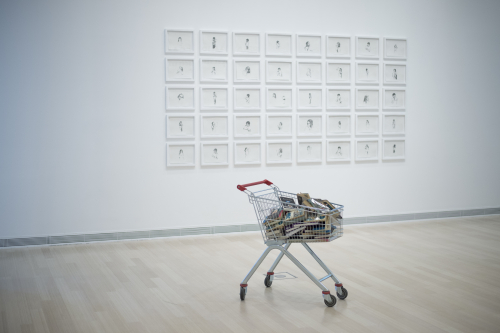
Ciprian Mureșan belongs to the generation of the post-Communist regime and is, in a post-conceptual manner, preoccupied with the historical and political fallout for his country, Romania.
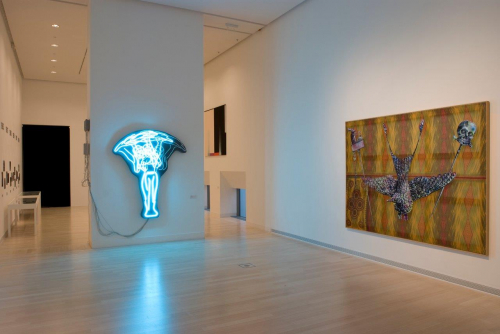
LUDWIG 25. The Contemporary Collection
The new permanent exhibition of the Ludwig Museum – Museum of Contemporary Art
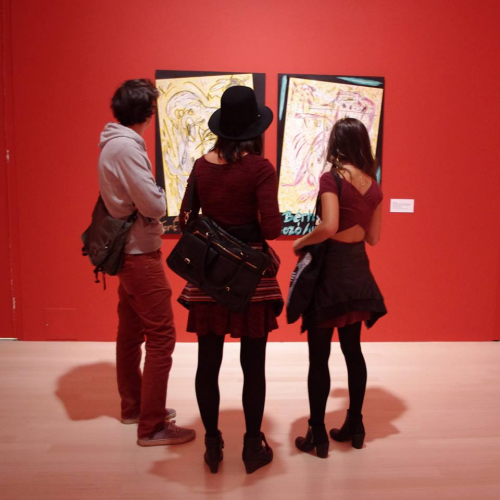
The exhibition, expanding from the 80’s up to the present time and focusing mainly on East-Central Europe, intends to elaborate on the revolutionary terminology formulated in its title through certain defining positions of contemporary art.